Research

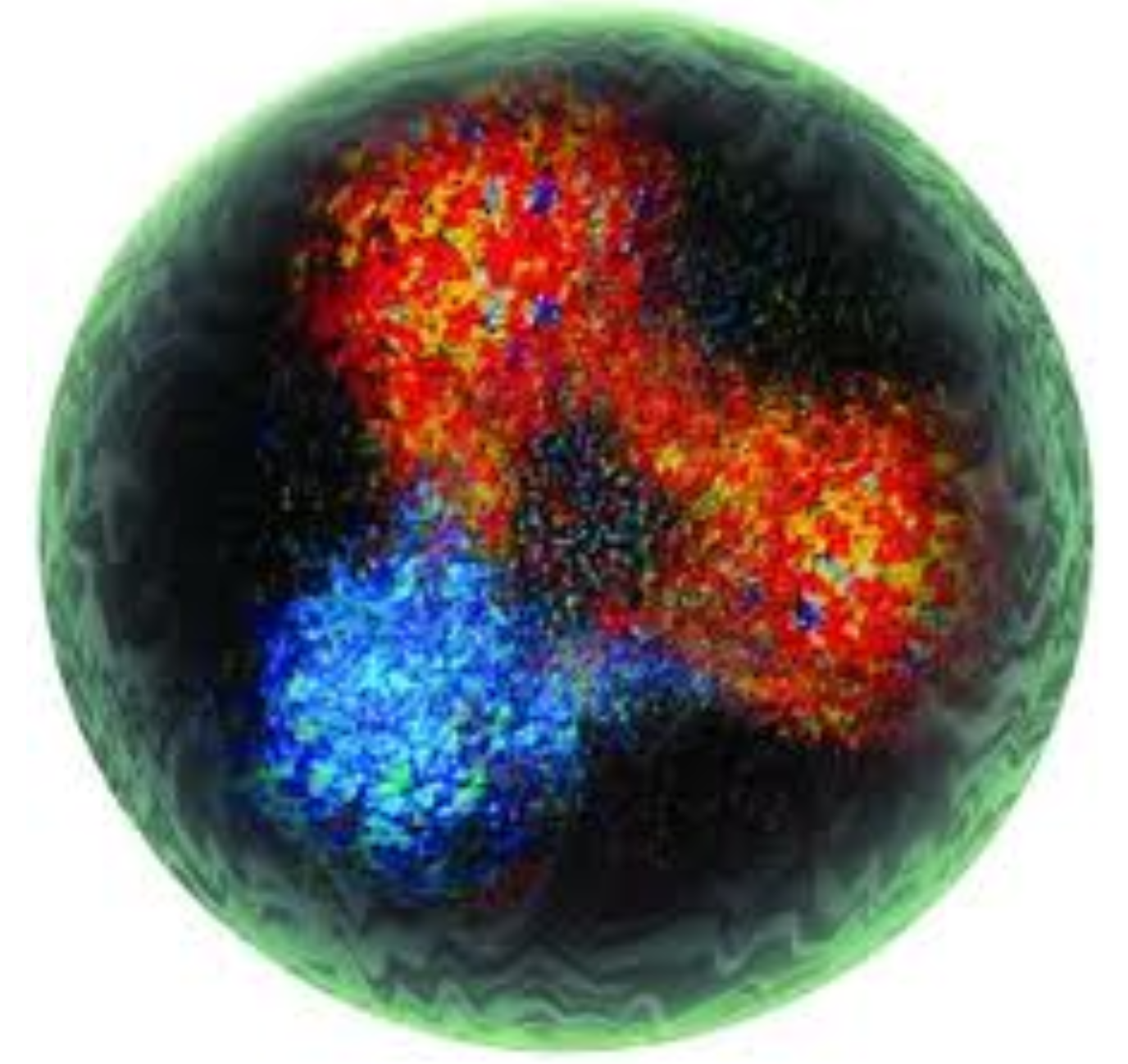
My research focuses on the non-perturbative structure of Quantum Chromodynamics (QCD), with applications to hadron structure, fundamental symmetries, and precision physics.

These research directions are supported by methodological developments, in particular the gradient flow, as well as advances in computational techniques and open science.


The main research areas are outlined below.

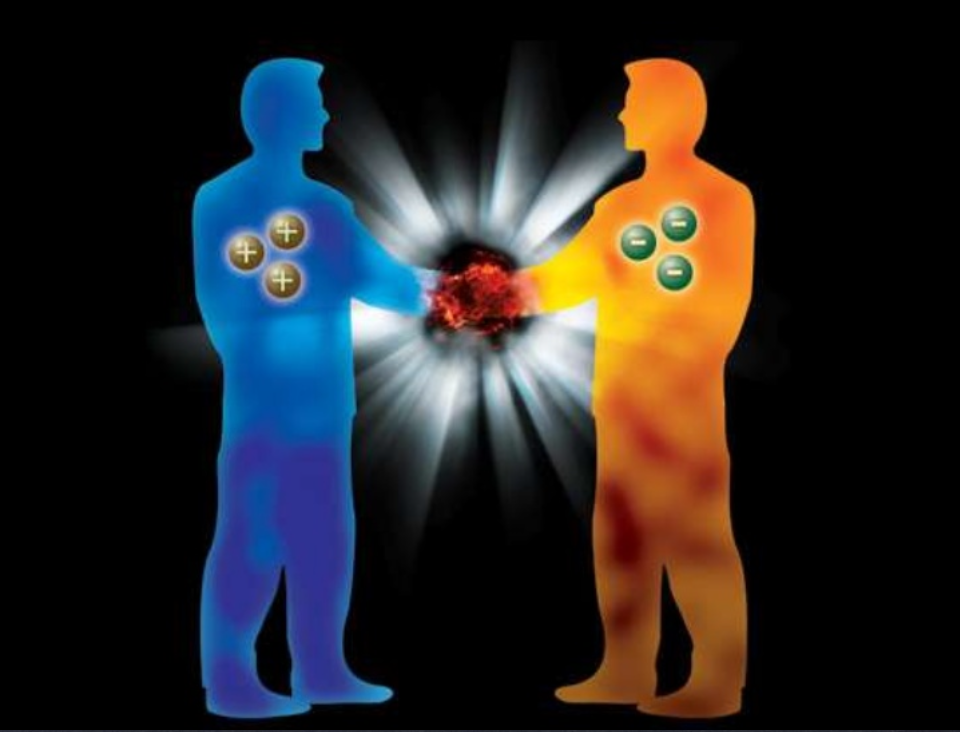
Studies of CP violation and its implications for the matter–antimatter asymmetry of the Universe, with a focus on electric dipole moments, heavy-quark physics, and precision lattice QCD calculations.

Precision Physics

High-precision calculations in QCD and QED, enabling controlled comparisons with experiment and constraints on physics beyond the Standard Model.

Computational Methods

Development of computational tools, including machine learning, quantum computing, and advanced numerical methods, to improve the efficiency and scope of lattice QCD calculations.

Theoretical Developments

Development of new theoretical frameworks and methods to address open problems in hadron structure, precision physics, and fundamental symmetries.

Open Science

Promotion of open and reproducible research through shared data, codes, and collaborative scientific initiatives.